
Service charges
Check energy costs and service charges for rental property
The annual statement is on the table. You have to pay a substantial amount extra, but the letter does not make it clear which consumption is yours, which meter readings were used, or how the amount has been distributed among the residents. A final amount alone is no explanation.
A high bill for gas, water, electricity or communal heating is not necessarily wrong. But you must be able to check it. To do so, you need the invoices, rates, contract period, meter readings and a clear method for allocating the costs.
Do you pay one undivided amount for your home and energy? Read how a all-inclusive rental price is split and why checking the remaining advance payment can be a separate step.
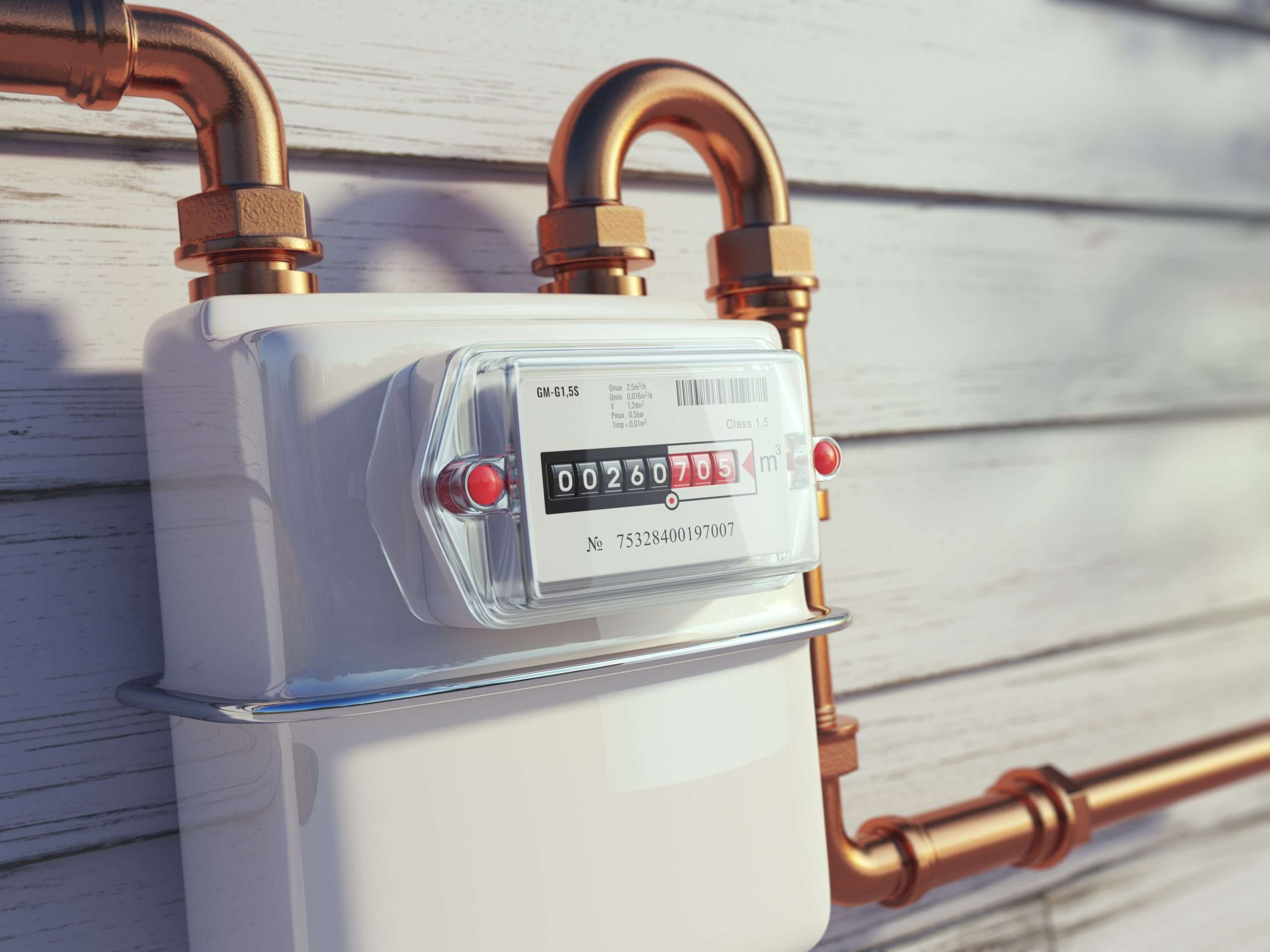
What are you actually paying for?
Utilities include gas, electricity, and water. Sometimes you have your own meter, and the landlord supplies the energy directly to your home. In other buildings, there is a single connection for multiple homes or rooms. Energy for common areas, such as lighting in the stairwell, can also be allocated as service charges.
Own meter
Your consumption must be linked to your meter. Check the starting reading, ending reading, period, tariff, and fixed costs.
Shared meter
The landlord must explain how the total bill is distributed among the tenants. The distribution key must be reasonable and verifiable.
Common areas
Lighting, heating, or other utilities for common areas may be passed on to the users.
Advance payment
The monthly amount is an advance payment. It will only become clear at the annual settlement whether you have to pay extra or receive a refund.
Checking energy costs with an individual meter
With your own meter, the billing should logically align with your actual consumption. Ask for the supplier invoice, the meter readings, and the meter number. Compare the period on the energy bill with the period during which you rented the property. Also, pay attention to an estimated meter reading: this may differ from the actual reading at the time of the key handover.
| Checkpoint | What you need | Common mistake |
|---|---|---|
| Consumption | Opening and closing meter readings | An estimated reading is used as the actual reading. |
| Meter | Meter number or meter ID | The bill belongs to another home or connection. |
| Period | Invoice start and end date | You pay for months when you didn't live there yet. |
| Pricing | Supplier invoice and contract | Surcharges are not explained |
| Advance payment | Payment overview | Not all paid advances have been settled. |
No own meter: how is your share calculated?
Shared meters are common in rooms, split dwellings, and complexes. In such cases, the landlord must use an allocation key. This can be based, for example, on floor area, number of occupants, dwelling type, or a combination. Which key is reasonable depends on the cost item and the building.
Do not just ask for the total energy bill. Also ask for the number of participating living spaces, the chosen distribution key, and the full calculation. A casual statement that your share is “25 percent” does not make it clear why that percentage is correct.
If the actual share cannot be determined due to missing information, the Rent Commission may work with statutory established consumption and average rates. If the supply is contested with reasons and substantiation is lacking, a cost item may be set to zero in certain cases.
High energy bill from the landlord: what could be wrong?
A high bill is not automatically incorrect. Energy prices, a cold winter, or heavy use can increase the amount. Nevertheless, we regularly see errors that only become apparent when the underlying data is compared.
Incorrect meter reading
The opening meter reading at the start of the rental is missing, or an estimated reading has been processed incorrectly.
Incorrect rental period
The invoice includes consumption from before your move-in or after your departure.
Unclear distribution key
A small room pays just as much as a large apartment without a proper explanation.
Forgot advance payments
Some of the monthly payments are missing from the statement.
Double costs
Energy or administration is included in both a different item and on the final settlement.
No invoices
The landlord only shows a self-made overview and not the invoices or proofs of payment on which the amount is based.
Which invoices and details must the landlord provide?
The landlord must send an annual service charge statement and give you the opportunity to inspect the supporting documents. In the event of proceedings, the Rent Commission requests the invoices or other proof of payment themselves. A general ledger card or internal overview is not always sufficient.
Regarding energy costs, request the supplier invoices, meter readings, meter numbers, rates, contract period, any correction notes, and the allocation key. If it concerns a Homeowners' Association (VvE), the VvE annual accounts, their adoption, and the VvE settlement to the landlord may also be relevant.
Increase advance payment and annual settlement late
Monthly energy charges are usually advance payments. Any increase must be explained using the expected actual costs. You can ask the landlord to adjust the advance payment. Separate conditions and deadlines apply to proceedings about the advance payment.
The annual statement must be provided no later than six months after the end of the calendar year. If you receive nothing or the statement arrives much later, use the step-by-step plan and the sample letter on the page. service charge settlement too late.
Do you pay an amount for furniture or upholstery in addition to energy? That is calculated differently. Then read how you furnishing costs and the usage fee for furniture checks.
Step-by-step plan for an unexplained high energy bill
- Check the period. Place the rental dates and billing period side by side.
- Compare the meter readings. Use photos of move-in and move-out, meter number, and any interim readings.
- Request all invoices. Request invoices, rates, fixed costs, and corrections from the energy supplier.
- Check the distribution key. Ask how your share is calculated and which other homes are participating.
- Count the advances. Compare your bank payments with the amount settled on the annual statement.
- Dispute the error in writing. Specify exactly which balance, period, invoice, or calculation is incorrect.
- Have the statement reviewed. Only start the correct procedure once the evidence and the time limit have been verified.
A stack of numbers, but still no answer?
Huurteam Nederland We check the invoices, meter readings, rates, advance payments, and allocation key. We also examine whether the Rent Commission has jurisdiction or if another legal route is more appropriate.
Questions tenants often ask about energy costs and service charges
Is my landlord allowed to charge energy costs via the service charges?
Yes, if the landlord supplies gas, water, or electricity, these costs can be settled via an advance payment and an annual statement. The landlord must be able to explain the actual costs, meter readings, and distribution. Costs for common areas may also be included in the service charges.
What if my rental home does not have its own energy meter?
Without a private meter, the landlord must use a reasonable allocation key. Request the total invoice, opening and closing meter readings, the number of dwellings, and the calculation of your share. In the event of insufficient evidence, the Rent Commission may apply statutory consumption standards and rates.
Can I dispute a high energy bill from the landlord?
Yes. First, ask for the invoices, meter readings, meter ID, contract period, rates, and allocation key. Then, explain specifically what is incorrect, such as an incorrect period, a missing meter reading, or illogically high consumption. Simply stating that the bill is high is usually insufficient.
Does the landlord have to show energy bills?
The landlord must substantiate the service costs and give the tenant the opportunity to inspect the underlying documents. In proceedings, the Rent Commission requests invoices or other proof of payment. An internal overview or general ledger card is not always sufficient proof.
Is the landlord allowed to make a profit on energy costs?
Service charges are intended for actual and reasonable costs, not as an additional revenue model. However, certain reasonable administrative costs may be charged. The annual statement must show which costs have been incurred and what portion is attributed to you.
What is the difference between energy costs and the energy performance fee?
Energy costs relate to the actual energy and utilities supplied. An energy performance fee is a separate fee for a highly energy-efficient home that must meet statutory requirements. Both items must be clearly distinguished from the basic rent.
Can the Rent Commission assess energy costs in the private sector?
For rental agreements from July 1, 2024, the Rent Commission can also issue a ruling regarding service charges for mid-market and private sector rentals. For older private sector contracts, restrictions apply, and written consent or proceedings before the sub-district court are sometimes required.
Sources: Service Charges Policy Book, July 2026 version, and current procedural information from the Rent Commission. The precise outcome depends on the rental agreement, meter type, invoices, and evidence.
Are your service charges correct?
Have your service charges assessed

